

Kansas — Governor
Gov. Laura Kelly is term-limited. Forecasters rate it a toss-up or Lean Republican, and Masterson leads the polling average. Get caught up ↓
Pre-election outlook
Their big promises
Money & campaign finance
Kansas Public Disclosure Commission reports for July 24–Oct 22, 2026, filed Oct 26. In that period Holscher spent $2.33 million and Masterson $1.72 million. Masterson also reported $35,078 in in-kind contributions.
On the issues
The story so far
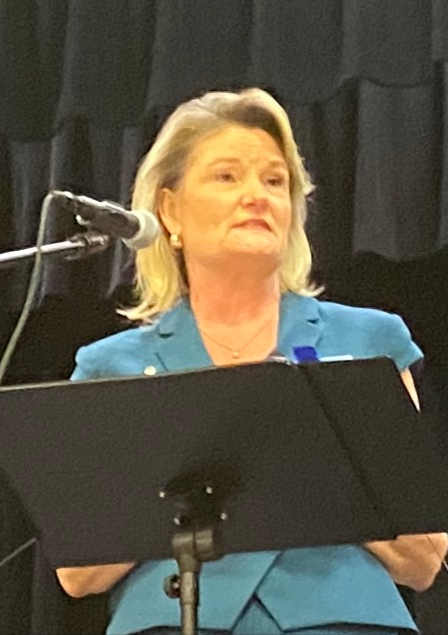
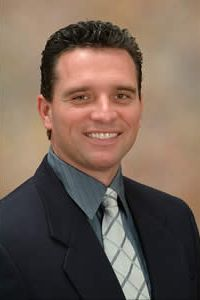
Kansas Senate President Ty Masterson, a Republican with Trump’s endorsement, and Democratic state Sen. Cindy Holscher are both courting unaffiliated voters, and each calls the other extreme.
Democratic Gov. Laura Kelly is term-limited. Masterson would be the first Republican elected governor of Kansas since Sam Brownback won reelection in 2014. Holscher often ties him to Brownback, and a Kansas Democratic Party billboard in Wichita does the same.
Both won contested primaries on Aug. 4. Masterson beat a crowded Republican field, and Holscher beat state Sen. Ethan Corson, who had the backing of Kelly and former Gov. Kathleen Sebelius.
Property taxes and schools have dominated since. Masterson wants a constitutional amendment capping yearly growth in assessed home values at 3% or less, which he calls a homeowners’ bill of rights. Holscher would lower the residential assessment rate instead, and says the state’s failure to fully fund special education pushes costs onto local property taxes.
Holscher’s campaign has brought up Masterson’s 2010 personal bankruptcy after a failed business, his vote to bar transgender girls from girls’ sports and his role in blocking diversity programs at state universities. Masterson has called Holscher a socialist, and a group tied to the Republican Governors Association has run ads saying she would turn Kansas into California. After their September debate at the Kansas State Fair, Masterson said he wouldn’t do more formal debates, and Holscher has been campaigning in person around the state ahead of Election Day on Nov. 3.
- Cindy Holscher — On the Issues · campaign website, accessed Sept 30, 2026
- Cindy Holscher — Priorities · campaign website
- Cindy Holscher — Common Sense Agenda · campaign homepage
- Masterson Launches Kansas Ratepayer Protection Pledge · Masterson campaign release, June 28, 2026
- Who is Kansas governor candidate Ty Masterson? · KSN, summarizing his campaign website
- Ty Masterson on the issues · OnTheIssues, quoting MastersonForGovernor.com
- Masterson releases property tax plan · KSHB 41
- Masterson concentrates campaign on generational change · Kansas Reflector, Sept 14, 2026
- Meet the 2026 candidates for Kansas governor · Kansas Public Radio
- 2026 United States gubernatorial elections · Wikipedia (race ratings)
- RealClearPolling · RCP Average, Kansas governor, polls Sept 8 – Oct 4
- Kansas governor 2026: A guide to the candidates · KCUR, Oct 14, 2026
- Masterson and Holscher focus on taxes and education funding · Kansas Public Radio, Oct 13, 2026
- Democrat Cindy Holscher’s campaign for Kansas governor highlights distinctions from GOP rival · Kansas Reflector, Oct 5, 2026
- Ty Masterson on health care · OnTheIssues: 2017 Medicaid expansion vote (HB 2044) and Kansas Reflector quote, Jan 15, 2025
- Ty Masterson on drugs · OnTheIssues, quoting KSNT, Jan 29, 2024
- Ty Masterson on abortion · OnTheIssues, quoting the Kansas Reflector (Sept 12, 2026 debate) and Topeka Capital-Journal (Jan 29, 2025)
- Ty Masterson on crime · OnTheIssues, quoting MastersonForGovernor.com
- Cindy Holscher on crime · OnTheIssues, quoting the University Daily Kansan, May 15, 2026
- Cindy Holscher on civil rights · OnTheIssues: SB 244 vote, Feb 17, 2026
- Cindy Holscher on abortion · OnTheIssues: Kansas Reflector (Sept 12, 2026 debate) and HB 2264 vote, Apr 27, 2023
- Jeff Klemp · Wikipedia (Kansas Senate, 5th district, since 2025)
- Democratic ticket in Kansas governor’s race pairs legislators from Johnson, Sedgwick counties · Kansas Reflector via HPPR, May 15, 2026
- 2026 Kansas gubernatorial election · Wikipedia
- Campaign finance receipts and expenditures reports, filed Oct 26 · Kansas Public Disclosure Commission, accessed Oct 29, 2026
Spot an error or a missing race? Let us know.